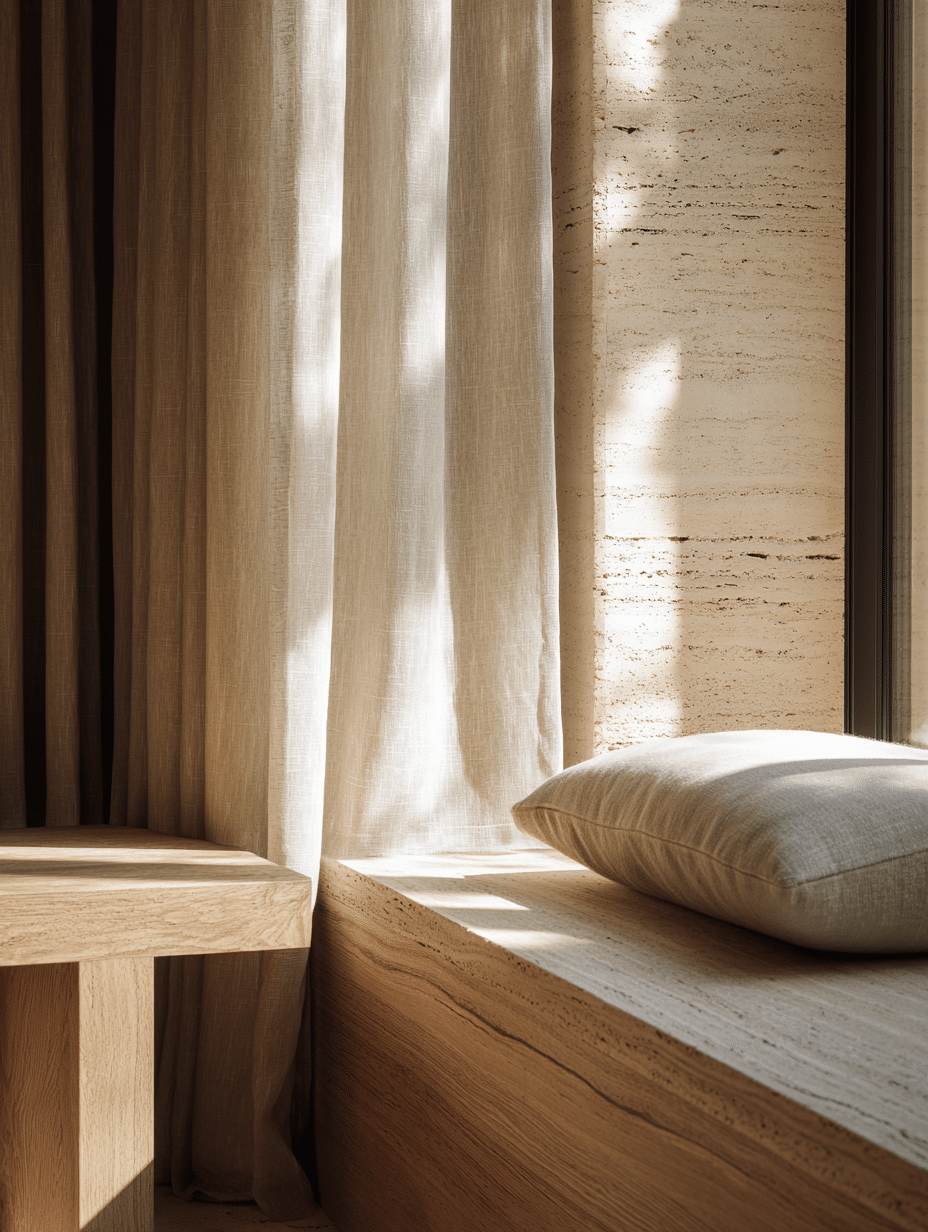
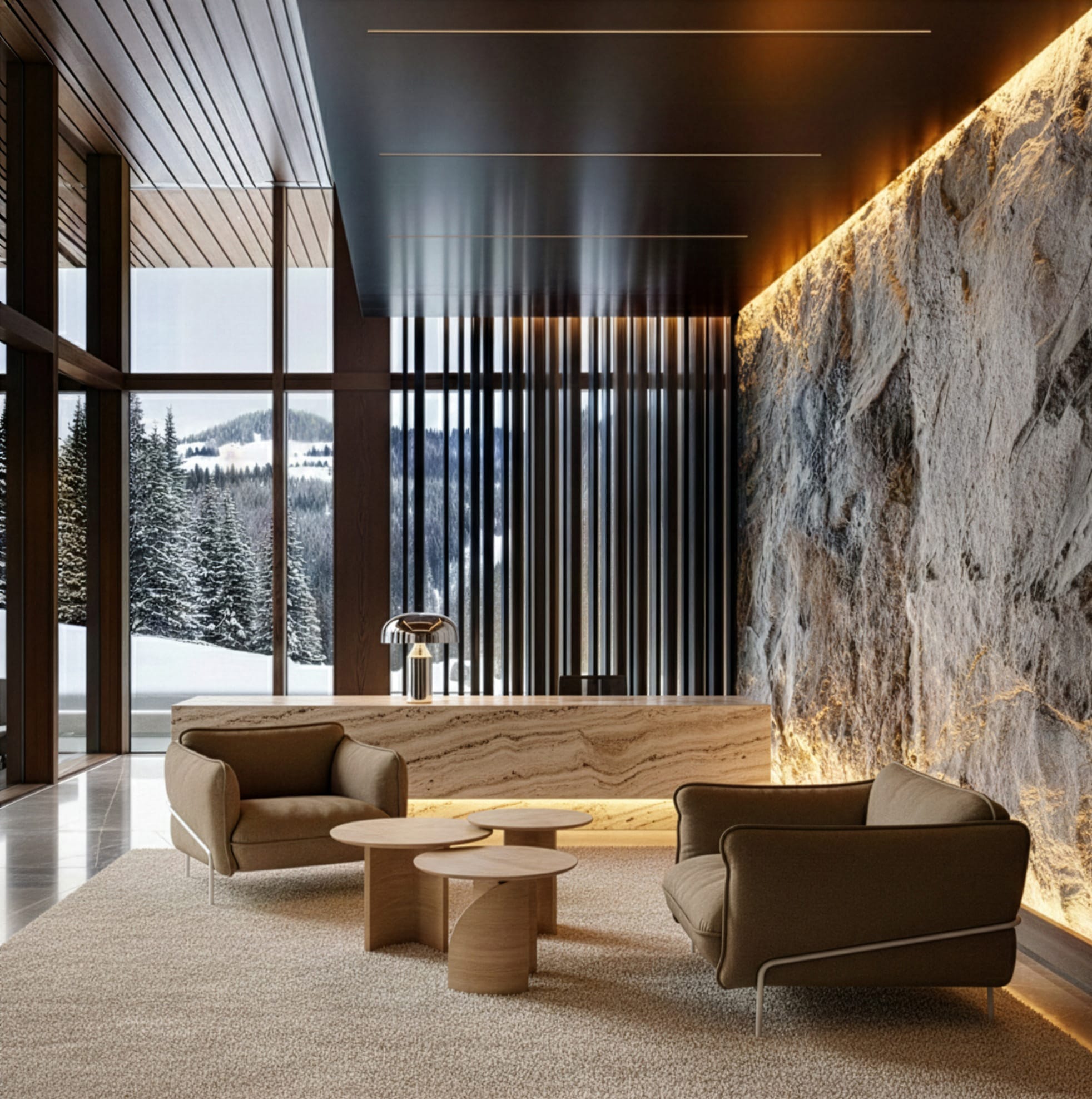
In hospitality, the interior is not simply a backdrop to the service. It is part of the product itself.
A guest forms an impression of a hotel or restaurant long before every detail of the service has had time to register. Materials, lighting, acoustics, layout and the overall character of the space all shape that first response – and influence how the experience is remembered afterwards.
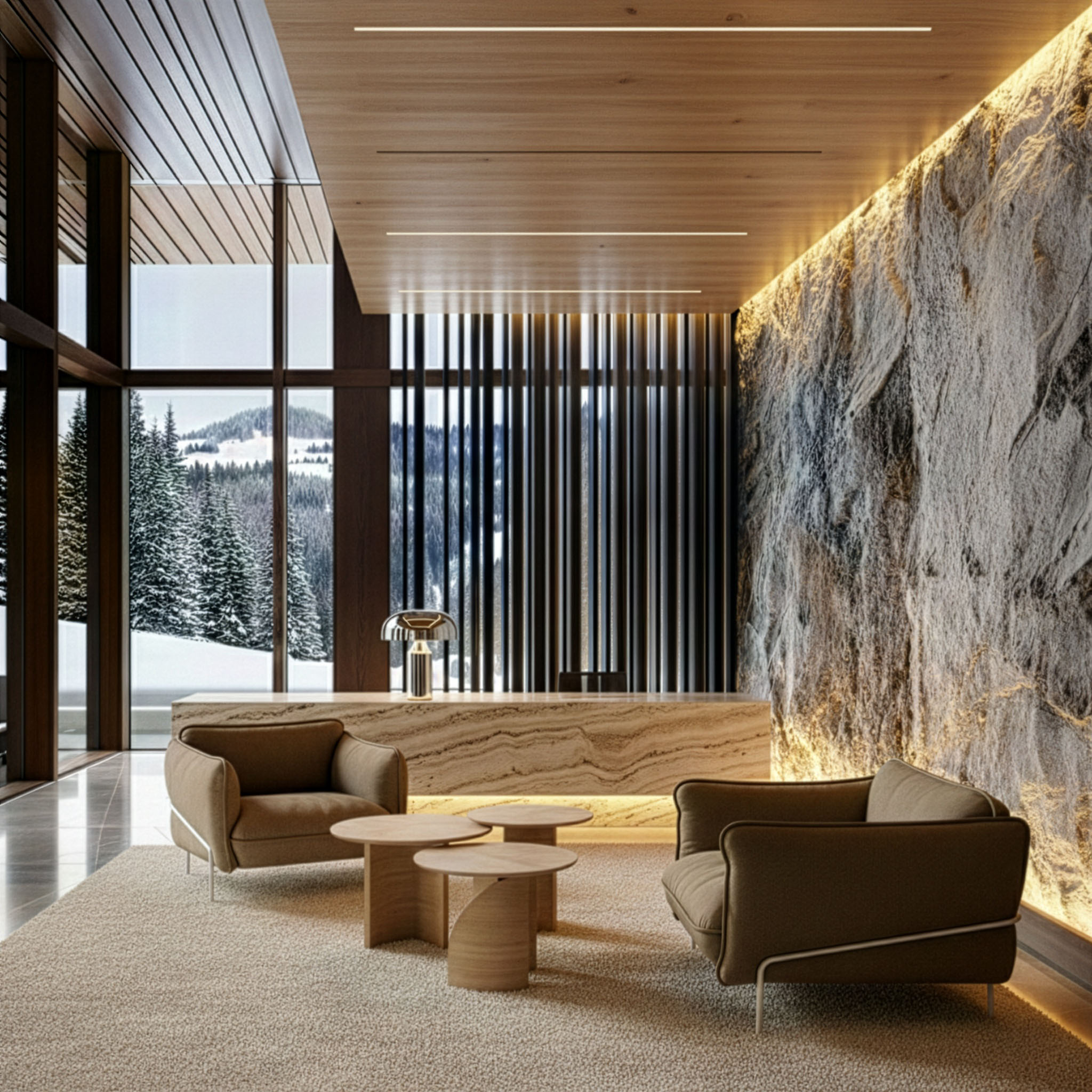
A strong identity matters more than generic luxury
International hospitality is moving away from the idea that quality should look the same everywhere. Deloitte’s travel and hospitality outlook points to increasingly selective consumers and a growing emphasis on distinctive, high-quality experiences.
For the premium end of the market, that puts more pressure on the physical environment. A polished but anonymous interior is not enough if the guest is looking for a place with a clear point of view.
The Virtuoso 2026 Luxe Report also highlights demand for more individual, story-led travel experiences. That has a direct spatial implication: the interior needs to feel specific to the place and the brand rather than assembled from familiar premium cues.
First impressions are physical
Guests read a space quickly. Light levels, acoustics, material tactility, temperature, proportions and circulation all contribute to the immediate sense of whether a place feels considered and comfortable.
In practice, this is where design quality becomes tangible. A well-resolved threshold, the right acoustic treatment or a material that feels substantial to the touch often communicates quality more convincingly than an overt luxury gesture.
Atmosphere needs to be designed and delivered
A memorable interior may feel effortless, but producing that effect requires careful coordination. The strongest hospitality environments usually get three things right:
- The guest journey is clear: Arrival, waiting, dining, social areas and more private moments form a sequence. Circulation should feel intuitive without relying on signage to solve the plan.
- Materials balance tactility and durability: Hospitality finishes work hard. They need to retain their quality under heavy use while still contributing to the character of the space.
- Operations are built into the design: A visually strong concept is not successful if it makes service harder. Back-of-house routes, storage, cleaning, maintenance and staff workflows need to work just as convincingly as the guest-facing areas.

This is why hospitality design and delivery cannot be separated too far from each other. The concept needs to survive procurement, detailing, lighting coordination, acoustic requirements and installation without losing the qualities that made it compelling in the first place.
Quality is noticed in the details
Long-lasting hospitality interiors are rarely built around a single dramatic feature. Their character comes from a consistent level of attention: how materials meet, how light falls across surfaces, how sound is controlled and how the space performs after months and years of use.
When those decisions are handled well, the result feels coherent rather than over-designed. That coherence is often what guests remember.

A well-resolved guest journey is built from small decisions: sightlines, lighting, material transitions, furniture placement and the relationship between public and private areas. When those elements support each other, the space feels intuitive and the brand comes through without being forced.