
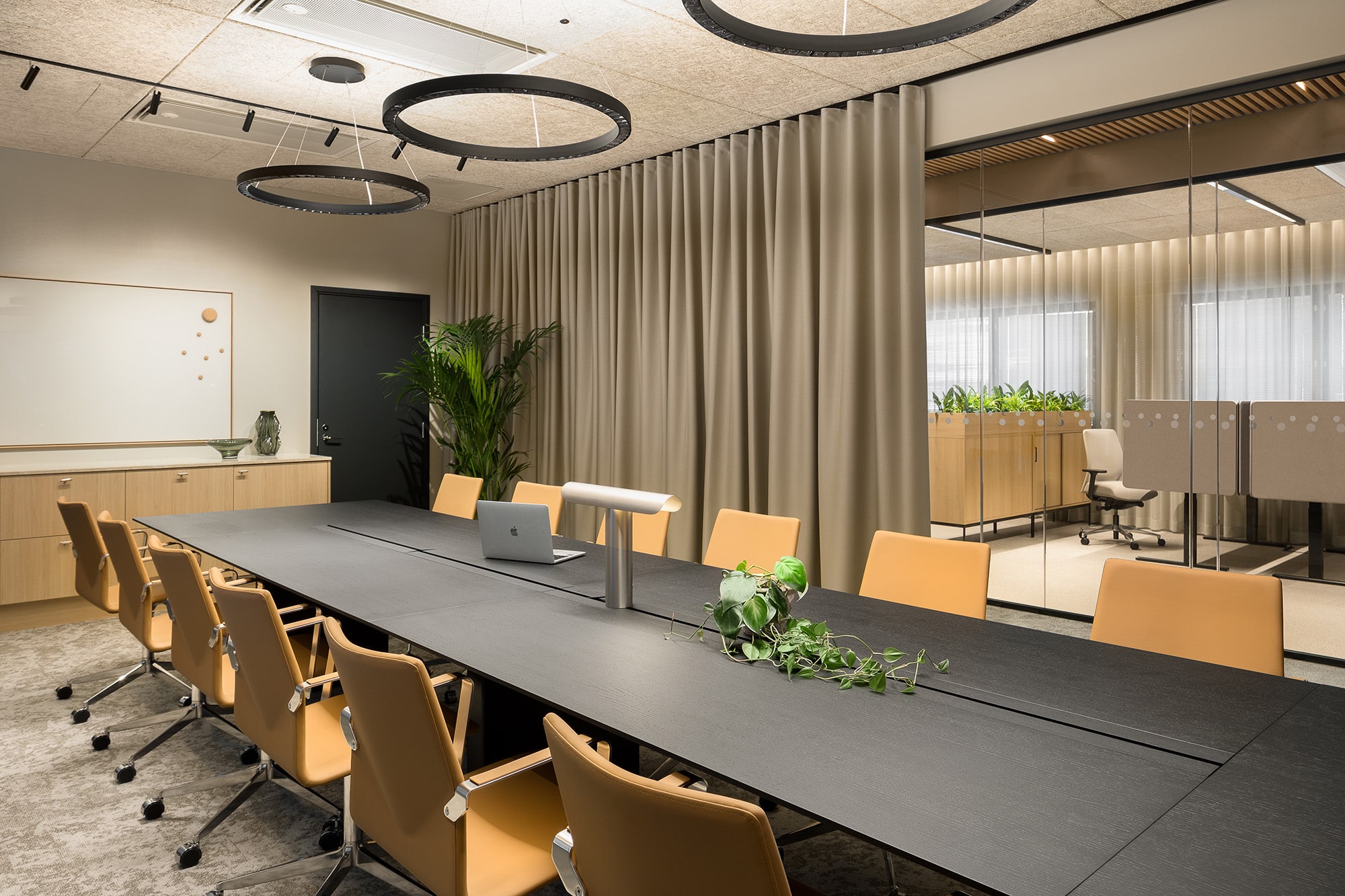
Why should an industrial company settle for an ordinary office?
Industrial and engineering companies are often highly advanced in what they produce, yet their offices can tell a very different story. Generic grey finishes, dated layouts and purely functional workstations are still common.
That disconnect matters when companies are competing for skilled people. Specialists notice the environment they are being asked to work in. Acoustics, lighting, comfort and the availability of suitable work settings all affect the everyday experience – and the impression a prospective employee forms of the organisation.
LEKO Group wanted the headquarters to reflect a new chapter
LEKO Group, now led by the fourth generation, wanted its new headquarters to feel different from the conventional industrial office. The aim was not simply to refresh the finishes, but to create a workplace that better matched the company’s culture and the way its specialists work.
Natural materials, warmer tones and a more varied range of settings replaced the previous greyness. The project also changed everyday routines. Where coffee had previously been taken at individual desks, the 16-person team now has a shared lounge and kitchen where people can sit down and talk more informally.
According to CFO Anu Lehtonen, the change has reduced stress and strengthened the sense of community. The workplace also includes quiet rooms, Teams rooms and a representative meeting room for work that requires more privacy or concentration.
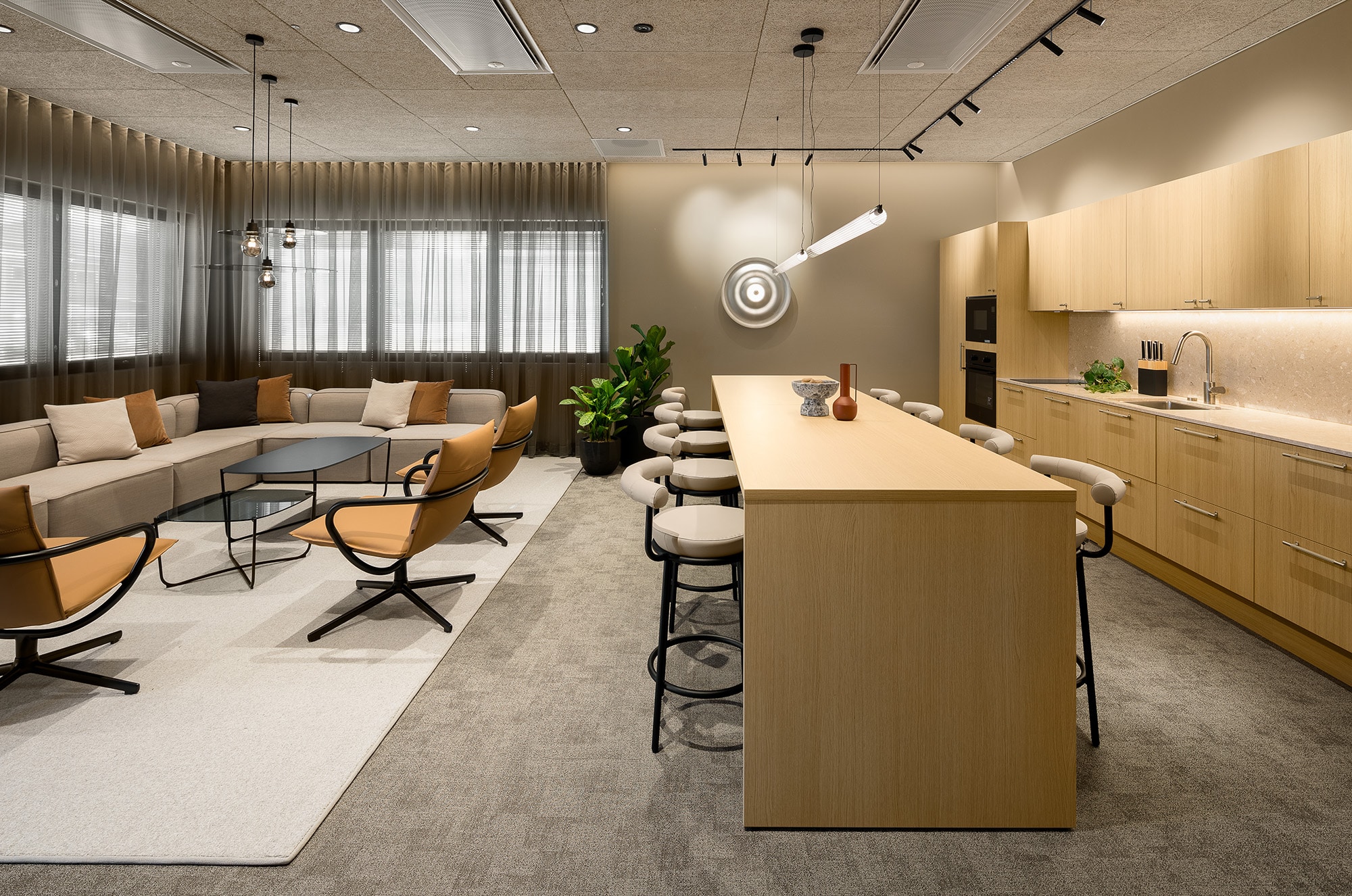
The lounge and kitchen changed the rhythm of the day: instead of taking coffee at individual workstations, the team now has a shared place to sit down and talk. According to Anu Lehtonen, this has reduced stress and strengthened the sense of community.
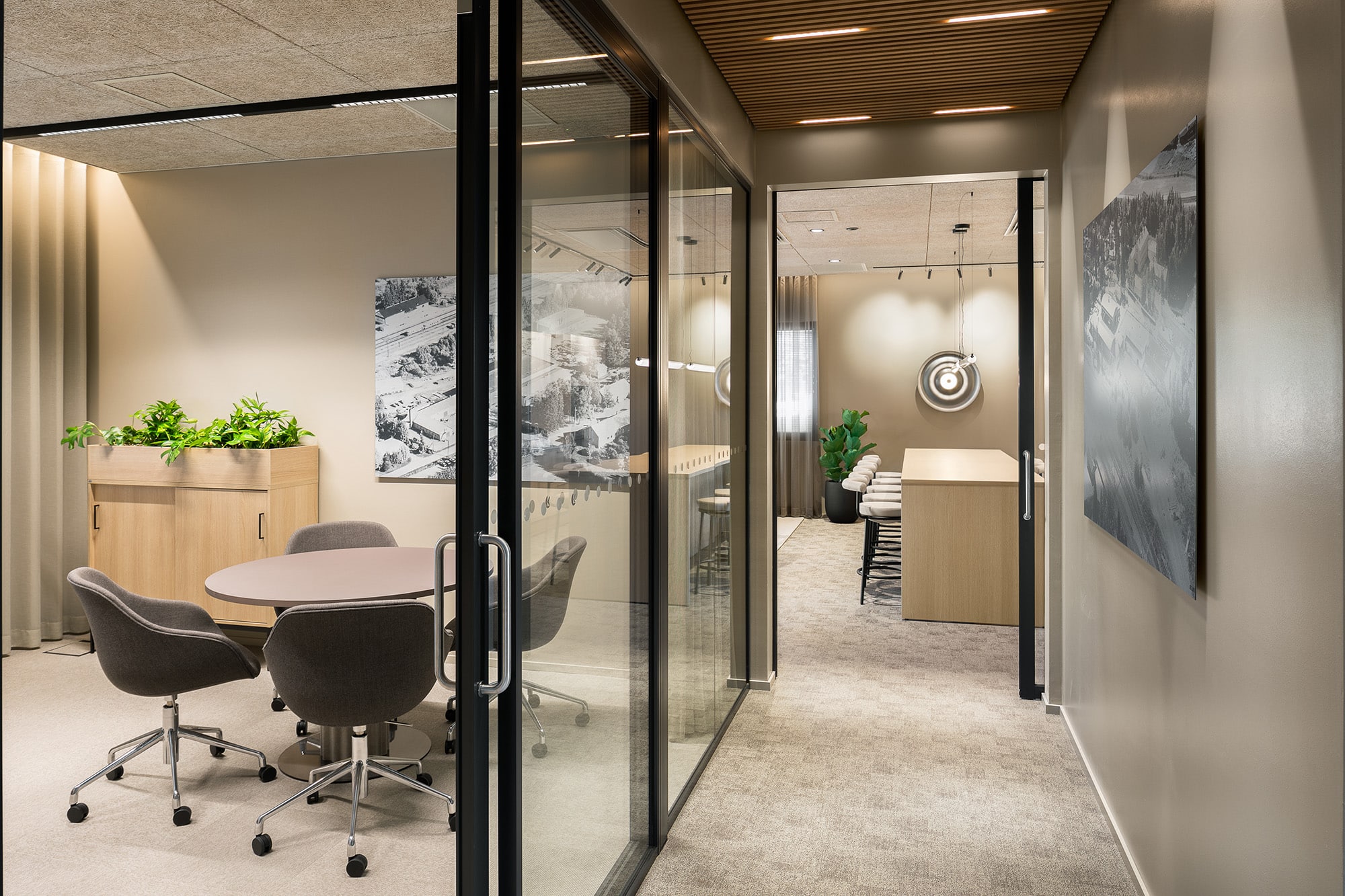
Spaces for concentration: quiet rooms, Teams rooms and a dedicated meeting room give people alternatives to working at their desk all day.
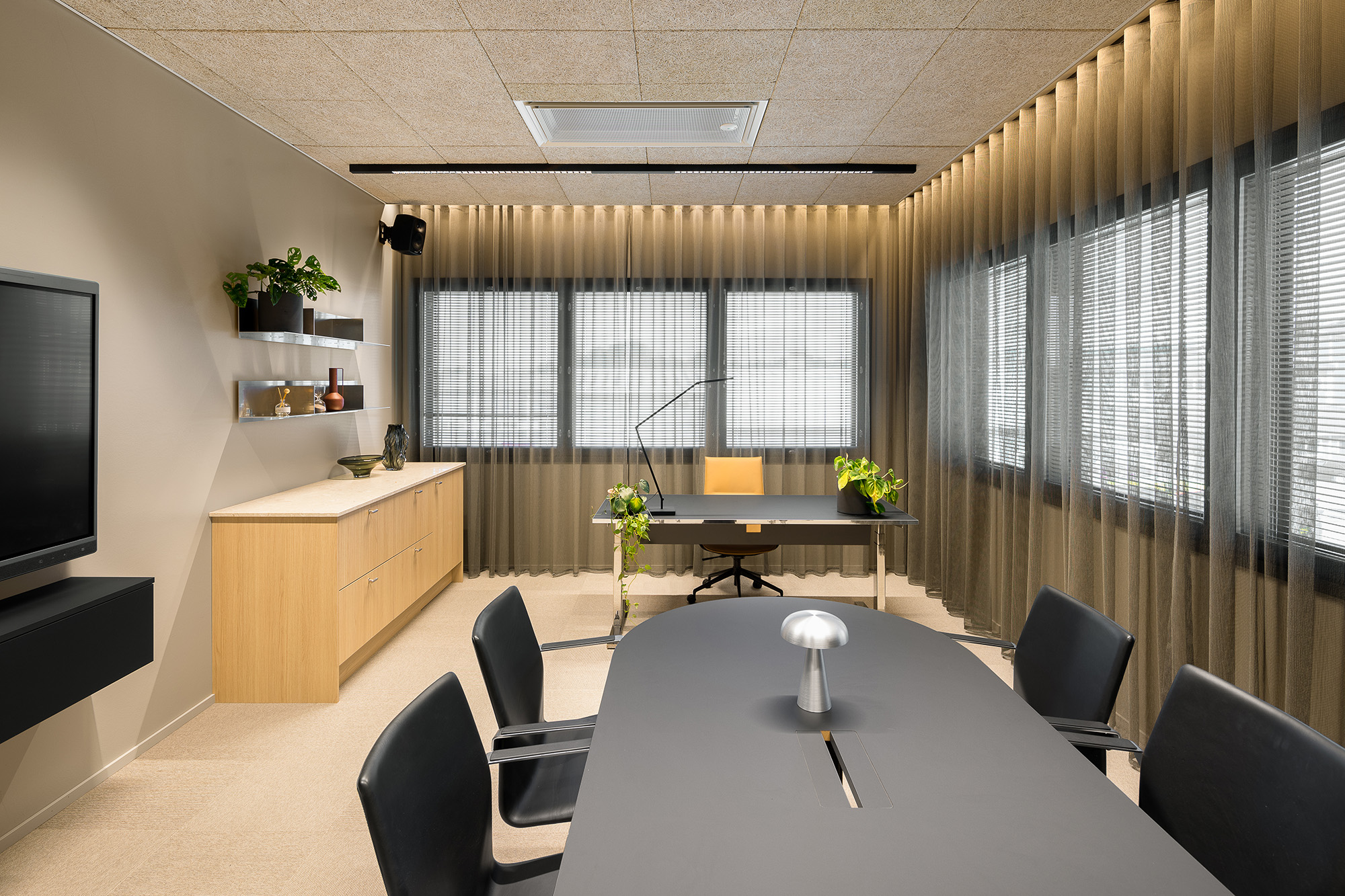
A calmer working environment: softer lighting, timber tones and carefully considered acoustics support the comfort required for demanding specialist work.
What does a workplace say to someone considering a job?
Recruitment in Kokemäki is challenging, and LEKO Group knew that the office would form part of the first impression for prospective employees.
CFO Anu Lehtonen put it simply:
“We wanted people to feel, from their very first visit, that this is a place they would enjoy coming to work.”
The workplace cannot replace a strong culture, good leadership or interesting work. It can, however, make those things more visible. A well-designed environment suggests that the company has thought about how people spend their working day and what they need to do their jobs well.
“I’m proud of our office. This is a place I love coming to every day.”
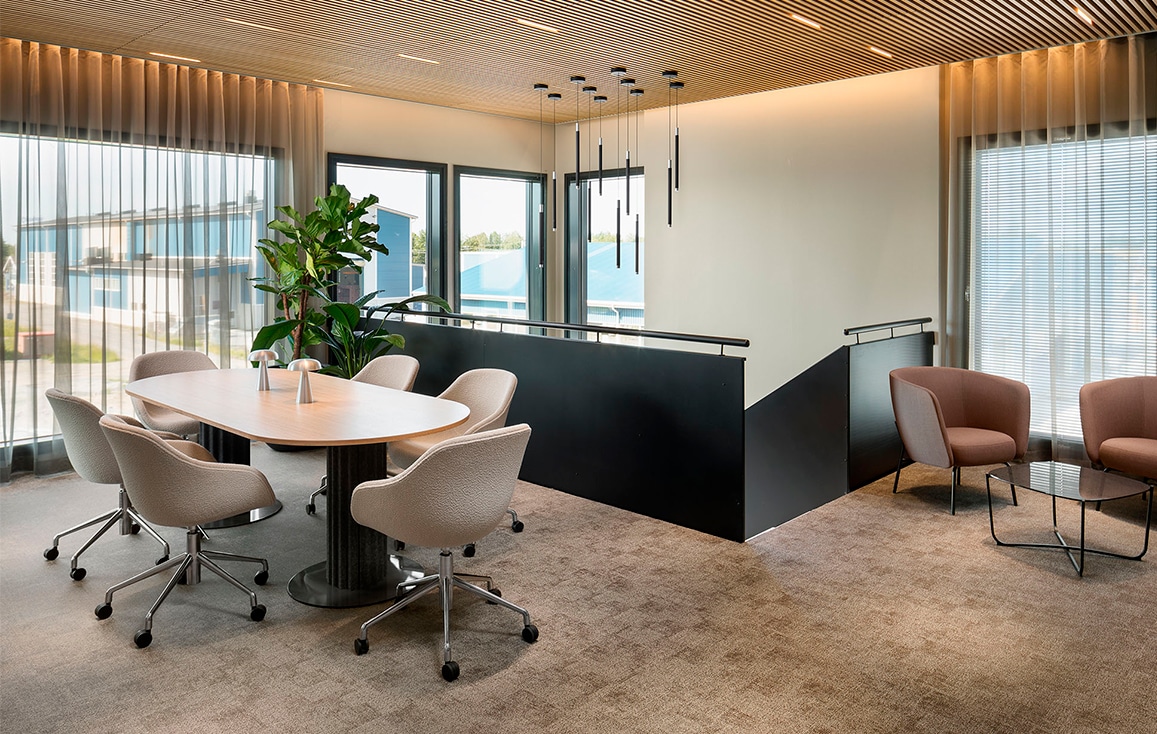
The workplace became part of LEKO Group’s employer image
The most important change is not that the office looks more contemporary. It is that the space now gives a more accurate impression of the company: technically ambitious, people-focused and willing to invest in the conditions around specialist work.
For an industrial company outside a major city, that can matter in recruitment. The workplace is one of the few parts of the employee proposition a candidate can experience immediately when they walk through the door.